
Health tips
What Is the Difference Between a Gastroenterologist and a Liver Specialist?
18 September 2026
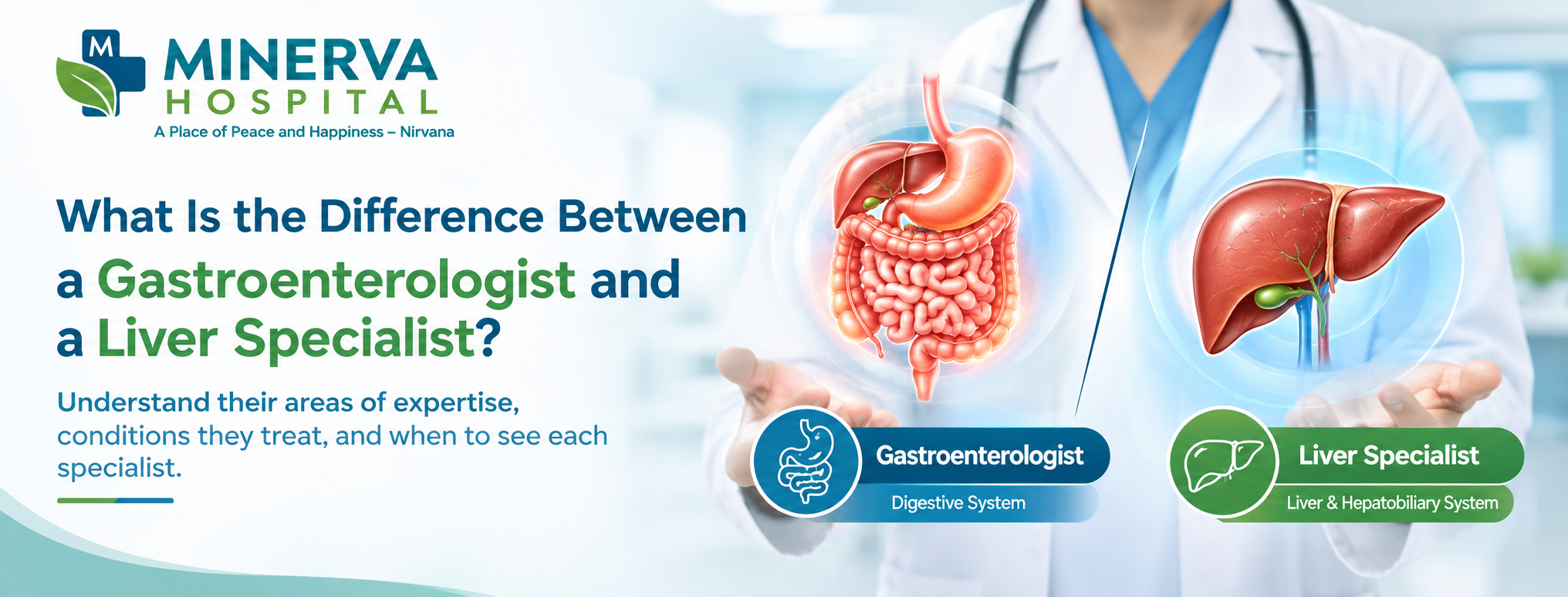
What Is the Difference Between a Gastroenterologist and a Liver Specialist?
When you experience digestive problems, abdominal discomfort, or symptoms related to the liver, you may wonder which type of doctor you should consult. Two specialists commonly associated with these conditions are gastroenterologists and liver specialists. Although their areas of expertise overlap, their primary areas of focus are different.
Understanding the difference between a gastroenterologist and a liver specialist can help you choose the right medical professional for your symptoms and receive appropriate care.
What Is a Gastroenterologist?
A gastroenterologist is a medical specialist who diagnoses and treats conditions affecting the digestive system. This includes the organs involved in digestion, such as the:
- Esophagus
- Stomach
- Small intestine
- Large intestine (colon)
- Rectum and anus
- Gallbladder
- Pancreas
- Liver
Gastroenterologists manage a wide range of digestive conditions, from common problems such as acid reflux and indigestion to more complex diseases involving the gastrointestinal tract.
Conditions Treated by a Gastroenterologist
A gastroenterologist may diagnose and treat:
- Acid reflux and GERD
- Gastritis
- Peptic ulcers
- Irritable bowel syndrome (IBS)
- Inflammatory bowel disease (IBD)
- Crohn's disease
- Ulcerative colitis
- Constipation and chronic diarrhea
- Gallstones
- Pancreatitis
- Liver-related conditions
- Gastrointestinal bleeding
- Colon polyps
Gastroenterologists may also perform diagnostic procedures such as upper GI endoscopy and colonoscopy when necessary.
What Is a Liver Specialist?
A liver specialist focuses primarily on diseases and disorders affecting the liver and related parts of the hepatobiliary system. A doctor specializing in liver disease may be a gastroenterologist with advanced expertise in hepatology, known as a hepatologist.
The liver performs many important functions, including processing nutrients, producing important proteins, helping regulate blood clotting, and removing certain substances from the blood. Because of these roles, liver disease may require specialized evaluation and long-term management.
Conditions Treated by a Liver Specialist
A liver specialist may treat conditions such as:
- Fatty liver disease
- Hepatitis A, B, and C
- Cirrhosis
- Liver fibrosis
- Alcohol-related liver disease
- Autoimmune liver diseases
- Hemochromatosis
- Wilson's disease
- Liver inflammation
- Abnormal liver function tests
- Certain liver complications related to metabolic conditions
For advanced liver disease, a liver specialist may also work with other specialists to determine whether additional treatments or liver transplantation evaluation may be appropriate.
Gastroenterologist vs. Liver Specialist: What Is the Difference?
The main difference is their area of specialization.
| Gastroenterologist | Liver Specialist |
|---|---|
| Focuses on the digestive system | Focuses primarily on the liver and related diseases |
| Treats stomach and intestinal conditions | Treats complex and chronic liver conditions |
| Manages conditions involving the esophagus, stomach, intestines, pancreas, gallbladder, and liver | Specializes in liver inflammation, fibrosis, cirrhosis, hepatitis, and other liver disorders |
| May perform endoscopy and colonoscopy | May provide specialized evaluation and monitoring of liver disease |
| Suitable for many digestive symptoms | Particularly useful for persistent or complex liver problems |
There can be significant overlap between the two. In many cases, a gastroenterologist can initially evaluate liver-related symptoms and determine whether specialized hepatology care is needed.
When Should You See a Gastroenterologist?
You may consider consulting a gastroenterologist if you have persistent digestive symptoms such as:
- Frequent heartburn or acid reflux
- Ongoing abdominal pain
- Persistent bloating or indigestion
- Difficulty swallowing
- Recurrent diarrhea or constipation
- Blood in the stool
- Unexplained changes in bowel habits
- Persistent nausea or vomiting
- Suspected gallbladder or pancreatic problems
If symptoms continue or interfere with your daily life, professional medical evaluation can help identify the underlying cause.
When Should You See a Liver Specialist?
A liver specialist may be appropriate when you have a known or suspected liver condition, particularly if it requires ongoing monitoring or specialized treatment.
You may be referred to a liver specialist if you have:
- Persistently abnormal liver enzymes
- Fatty liver disease requiring medical management
- Hepatitis B or C
- Signs of liver fibrosis or cirrhosis
- Recurrent jaundice
- A history of chronic liver disease
- Complications associated with advanced liver disease
- A complex liver condition requiring specialist care
A primary care doctor or gastroenterologist can also help determine whether you need to see a hepatologist.
Can a Gastroenterologist Treat Liver Disease?
Yes. Gastroenterologists receive training in diseases of the liver as part of their specialty. Many gastroenterologists diagnose and manage common liver conditions.
However, patients with complicated, advanced, or chronic liver disease may benefit from consultation with a doctor who has additional specialized expertise in hepatology.
The appropriate specialist depends on the patient's symptoms, diagnosis, medical history, and the complexity of the condition.
What Tests May Be Recommended?
Depending on your symptoms and medical history, your doctor may recommend different tests to understand your condition. These can include:
- Liver function tests
- Complete blood tests
- Viral hepatitis testing
- Abdominal ultrasound
- FibroScan or other liver stiffness assessment
- CT or MRI scans when appropriate
- Upper GI endoscopy
- Colonoscopy
- Other specialized investigations
Not every patient needs every test. Your doctor will recommend investigations based on your individual circumstances.
How Do You Choose the Right Specialist?
Choosing between a gastroenterologist and a liver specialist depends mainly on your symptoms and diagnosis.
If your main concerns involve digestion, stomach problems, bowel symptoms, reflux, or intestinal conditions, a gastroenterologist may be an appropriate starting point.
If you have persistent liver abnormalities, hepatitis, fatty liver disease, cirrhosis, or another known liver condition, a liver specialist may provide more focused care.
In some situations, both specialists may work together as part of a multidisciplinary healthcare team.
Gastroenterology and Liver Care at Minerva Hospital
At Minerva Hospital, patients can seek professional medical evaluation for digestive and liver-related concerns. A proper diagnosis begins with understanding your symptoms, medical history, and relevant test results.
Whether you are experiencing ongoing digestive discomfort or have concerns about your liver health, consulting an appropriate specialist can help you understand the possible cause of your symptoms and explore suitable treatment options.
Do not ignore persistent digestive symptoms or unexplained changes in liver test results. Early medical evaluation can be important for identifying and managing many gastrointestinal and liver conditions.
Frequently Asked Questions
Is a gastroenterologist the same as a liver specialist?
Not exactly. A gastroenterologist specializes in the digestive system and also treats many liver conditions. A liver specialist, or hepatologist, focuses more specifically on liver and hepatobiliary diseases.
Can a gastroenterologist treat fatty liver?
Yes. Gastroenterologists commonly diagnose and manage fatty liver disease. Depending on the severity and complexity of the condition, additional specialist care may be recommended.
When should I see a hepatologist?
A hepatologist may be recommended when you have chronic, complex, or advanced liver disease, such as hepatitis, significant liver fibrosis, cirrhosis, or persistent unexplained liver abnormalities.
Can liver problems cause digestive symptoms?
Yes. Some liver and related conditions can be associated with abdominal discomfort, nausea, appetite changes, or other digestive symptoms. However, these symptoms can have many different causes, so proper medical evaluation is important.
Should I see a gastroenterologist for stomach pain?
Persistent or recurrent stomach pain can have many causes. A gastroenterologist can evaluate digestive causes, particularly when the pain is accompanied by ongoing reflux, bowel changes, vomiting, bleeding, or other concerning symptoms.
Final Thoughts
A gastroenterologist and a liver specialist have overlapping areas of expertise, but their primary focus differs. Gastroenterologists care for a broad range of digestive system conditions, while liver specialists concentrate more specifically on liver diseases.
If you are unsure which specialist you need, starting with a medical consultation can help determine the appropriate evaluation and referral.
For professional gastroenterology and liver-related care, contact Minerva Hospital to discuss your healthcare concerns with the appropriate medical team.
```

